Mini Spray Painting Machine
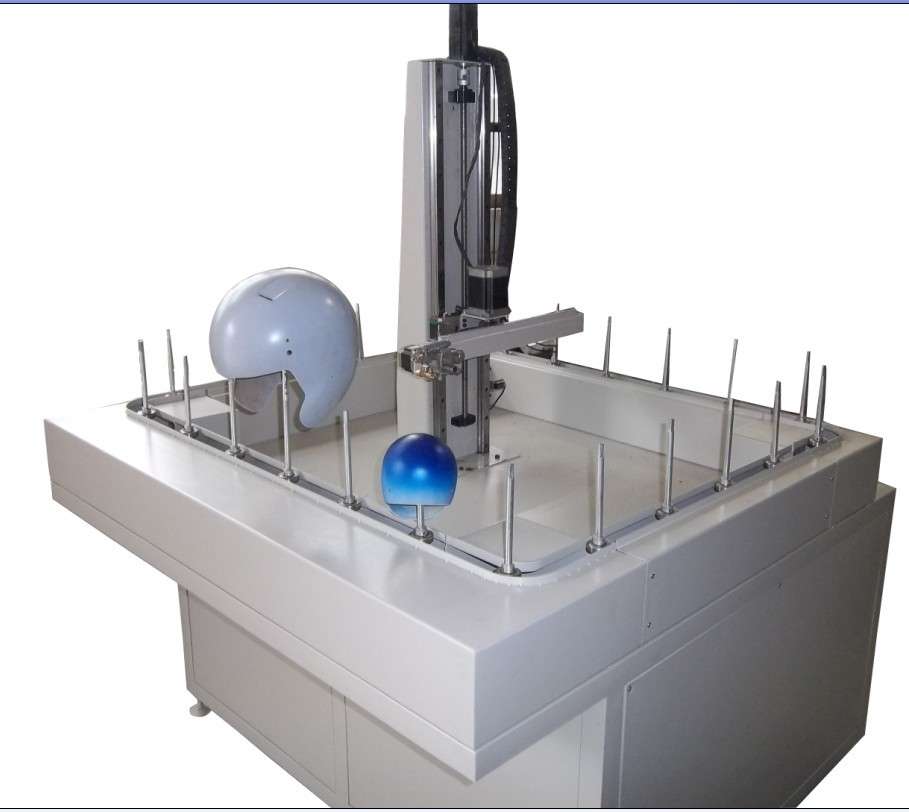
A mini spray painting machine rotates small parts under a fixed gun. It serves small components, samples and trial production where a full line would be oversized — and proves a coating process before you invest in one.
Home › Mini Spray Painting Machine
A mini spray painting machine rotates small parts under a fixed gun. It serves small components, samples and trial production where a full line would be oversized — and proves a coating process before you invest in one.
The rotary table presents each small part to the gun at a repeatable angle and speed, which is what makes trial results transferable to a production machine later. Typical work includes helmets and small shells, toys, cosmetic parts and short runs of small moulded components.
| Use | Why the mini fits |
|---|---|
| Trial production | Repeatable gun and rotation settings mirror production conditions |
| Small parts | Rotary fixtures hold parts a conveyor cannot |
| Short runs | Fast setup and cleaning between colours |
The mini is a bench-scale machine: part size, batch volume and coating build are all limited. If your trial succeeds, the same gun settings scale to the axis machines in this range; tell us that plan and the trial configuration will be documented for transfer.
This equipment is supplied with a 12-month warranty. Spare wear parts (guns, nozzles, filters, belts) are listed in the quotation so you can stock them at commissioning.
Axis spray machines serve production where the same part repeats thousands of times: consumer electronics housings, helmets and protective gear, sanitary ware, toys and moulded plastic or metal components. The economic logic is repeatability — once the gun path, distance and speed are set for a part, every cycle repeats them, so film thickness stays even and paint consumption per part can be measured and tuned.
Two operating habits decide results more than the machine class does. First, fixture design: a part that sits 2 mm differently each cycle sprays differently each cycle. Second, gun maintenance: a worn nozzle changes the fan pattern long before it fails outright, so nozzle checks belong in the weekly routine. Both points are covered when a configuration is commissioned.
An axis machine is one station in a process. Upstream, parts usually need cleaning or electrostatic dust removal, especially moulded plastics that carry static. Downstream, the coating decides the next step: air-dry paints need flash-off space, baked enamels need an oven, UV coatings need a curing section. When you request a quote, name the equipment you already own for these stages; the machine will be specified to feed it, including conveyor height and part hand-off.
Send samples and your coating; a spray trial can be arranged and the settings recorded for your configuration.
Send your part drawings, part size and output target. We will confirm the machine or line configuration and reply with a quotation.